- 3Third keepersince Jun 2023Current
- 2Second keeperFeb 2020 – Jun 20233y 4m
- 1First keeperMar 2018 – Feb 20201y 11m
Ownership history
Every keeper change in order, with how long each one kept the car.
Enter a UK plate or a 17-character VIN. See the DVLA vehicle record, tax and MOT status, every MOT test with its mileage and a ULEZ result, free; add the full report when you're ready to buy.
Works withcarsEVsvansmotorbikes
A full report checks 200+ data points, including:
Six of the records, drawn the way they appear in the report. A full report checks 200+ data points in all; see every check.
Every keeper change in order, with how long each one kept the car.
Every recorded reading on one line. A reading that goes backwards stands out at once.
Category S write-offStructural damage recorded, 14 Sep 2023
The insurance category, the date of loss and whether it passed the identity check.
Finance agreement foundLive
Any hire purchase, PCP or conditional sale still registered, so you know who to call before you pay.
Police stolen markerNot recorded
VIN and engine numberMatch the record
High-risk registerNo marker
The police stolen marker, the high-risk register and the numbers that catch a cloned car.
Colour change: blue to grey, 2022
Every earlier registration with its dates, and any colour change the DVLA recorded.
Made-up figures, to show the layout.
Check any UK-registered car, van or motorbike by its reg or VIN, whatever the make. These are the makes buyers check most.
Logos are shown to identify the makes we check. We are not affiliated with or endorsed by any manufacturer.
A car reg lookup turns a UK number plate into the record held against it. Free: the DVLA vehicle record (make, colour, engine, fuel, first registration, tax and MOT status, CO2 and Euro status), every DVSA MOT test with its mileage, and a ULEZ result. The full report adds the records a seller holds back: outstanding finance, insurance write-offs, a police stolen marker, keeper count, plate changes, the VIN and engine number, and the maker’s specification.
Type the plate, or a 17-character VIN if you have one. No account, no card for the free part. If the free fields already rule the car out, you’ve spent nothing. If they look right and you’re about to pay a deposit, the full list of data fields shows what the paid report reads before you commit.
Each row is a record type. The second column says whether it’s in the free lookup; the third names the source; the fourth says what the field is for.
| Record | Free or full report | Where it comes from | What it tells you |
|---|---|---|---|
| Make, model, colour, engine cc, fuel | Free | DVLA vehicle record | Whether the car in the advert is the car on the register |
| Date of first registration, year of manufacture | Free | DVLA vehicle record | The real age, which the plate alone can hide |
| Tax status and due date | Free | DVLA vehicle record | Taxed, Untaxed or SORN: whether it can be driven today |
| MOT status, expiry, every test | Free | DVSA MOT records | Results, defects, advisories and the odometer at each test |
| CO2, Euro status, ULEZ result | Free | DVLA record, checked against TfL’s standard | Whether London’s ULEZ daily charge applies |
| Outstanding finance | Full report | Finance company records, through a licensed data provider | Whether a lender still owns the car |
| Write-off category | Full report | Insurer total-loss records | Cat A, B, S or N, and the date recorded |
| Stolen marker | Full report | Police records, through a licensed data provider | Whether the car is reported stolen |
| Keepers, plate and colour changes, V5C dates | Full report | DVLA registration history | How the car’s identity has changed over time |
| Mileage anomaly | Full report | Recorded readings compared across sources | A reading out of line with the rest |
| Power, torque, gearbox, weights, mpg, VED band | Full report | Manufacturer specification data | Whether the trim and engine match what you’re paying for |
| VIN and engine number | Full report | DVLA and manufacturer records | Numbers to match against the car and the V5C |
Inside every full report
We check 200+ data points on every full report. These are the 21 checks they come from, each one shown on the report page in plain English.
Same search box, different questions. Each page lists the fields it returns, an example result and how to read a bad one.
Status, expiry date and every recorded test with the mileage, fails and advisories.
Taxed, Untaxed or SORN, and the date it runs out. VED band and rates in the full report.
Each field of the DVLA vehicle enquiry, decoded, with the dates worth comparing.
The car behind a reg plate, and any plates it carried before.
Compliant or not, with the Euro status and fuel that decide it.
Engine, gearbox, dimensions, weights and mpg for the recorded version.
Rated power in bhp and kW, with torque, so a remap or a wrong badge shows up.
Start from the 17-character chassis number when there’s no plate, or the plate is new.
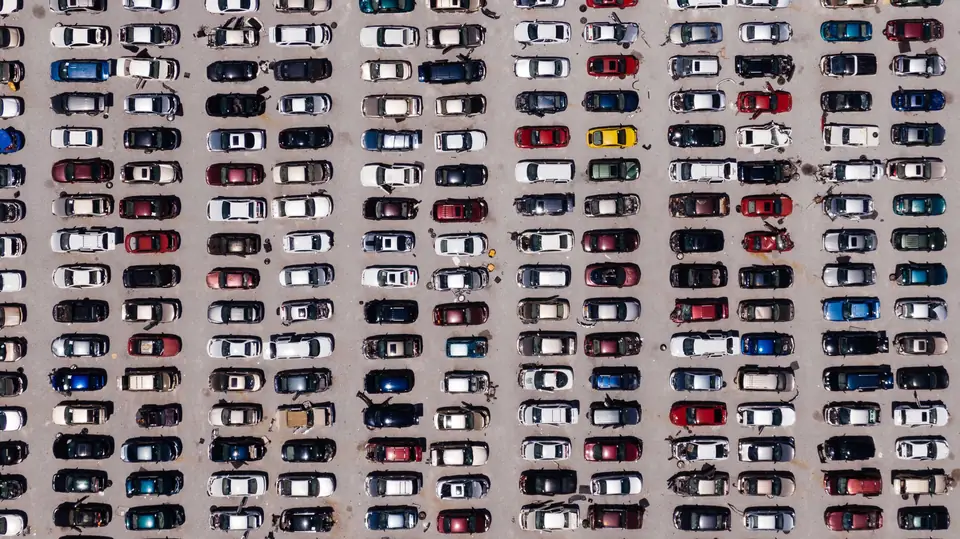
Make, model, colour, engine size and every MOT test. Look up any reg and the record comes back in seconds.
Look up a regWith that many cars on the register, the chance that a given advert has a copied photo, a wrong engine size or an expired MOT isn’t small enough to ignore. The DVLA record and the MOT tests are the two sources nobody selling the car can edit. Reading them first costs a minute and sometimes saves a 90-mile round trip.
Start with the DVLA vehicle check fields, then the MOT history. Buying a van, selling, or just chasing your own renewal dates? The vehicle check page sorts the fields by purpose.
A private seller has to describe the car accurately, but nobody hands over a list of what’s recorded against it. These are the records a reg lookup can surface, and the free check can’t.
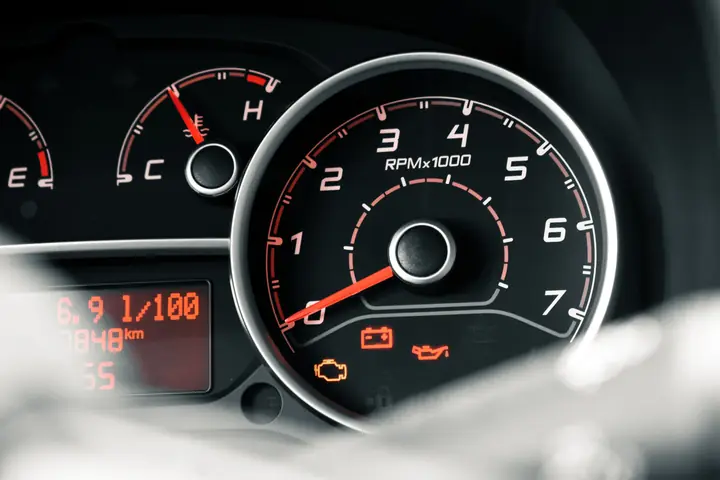
Mileage at each MOT, the gaps between tests, the advisories that came back year after year. It's all in the record if you know where to look.
One report per car, paid once, VAT included. No account and nothing that renews. The free lookup stays free whether you buy or not.
Full report
£11.99
One car, paid once. VAT included, no subscription, no account.
Start with the registrationThe basic check (MOT history, mileage, tax and vehicle details) stays free.
Open the sample vehicle report · Full report price and payment questions
How to find an MOT expiry date by registration, sign up for the free reminder, and what happens if the date slips.
Each public field on the DVLA vehicle record, what it tells you, and the records it does not hold.
A lookup shows the vehicle, not the keeper; here is what you can get, and the legal routes when you need the owner.
It’s a query against two government databases keyed on the registration mark. The DVLA vehicle record describes the car and its legal status. The DVSA MOT database holds every test since 2005 in England, Scotland and Wales, and since 2017 in Northern Ireland. A reg lookup reads both and puts them on one screen. “Car lookup”, “vehicle lookup”, “registration lookup” and “number plate lookup” are the same query with different names.
What it isn’t: a keeper search. The DVLA releases a keeper’s name and address only to someone with reasonable cause, such as a parking operator chasing a charge, and only on application. No reg lookup on any site can show who owns a car. Ours shows how many registered keepers there have been, in the full report.
More than most people expect, and less than some adverts claim. From the plate alone, free, you get:
The full report adds finance, write-off, stolen, keepers, plate history, colour changes, import and export markers, scrapped status, the VIN, the engine number and the maker’s specification. Car details by reg are only as good as the records behind them, so each field on the data fields page names its source.
For ruling a car out, often yes. A wrong colour, a dropped MOT mileage or a three-year-old string of brake advisories is enough to move on, and the free lookup shows all three.
For ruling a car in, no. The three records that cost buyers the most money (finance, write-off, stolen) aren’t in the DVLA record or the MOT database. They’re held by lenders, insurers and the police, and only a paid check reads them. The DVLA record can be spotless on a car that still has a large hire purchase balance. That’s the gap the full report fills, and it’s why the tax check and the MOT check are free while the history isn’t. Our car check online guide sorts every field by the question it answers, and the HPI check page explains the four fields that decide whether to buy, including the mileage check.
Read the record as a set of fields that should agree with each other and with the car. Disagreement is the signal.
| Field | Looks normal | Ask about it |
|---|---|---|
| Colour | Matches the car and the V5C | Different on the record: a respray, or a different car |
| Engine cc and fuel | Matches the badge and the advert | A “2.0” advertised on a car recorded at 1,598cc |
| First registration | Fits the plate’s age identifier | Years later than manufacture: an import or a stored car |
| MOT mileage | Rises at every test | Any fall, or a long gap with no test |
| Tax status | Taxed, or SORN if the seller said so | Untaxed on a car the seller says they drive daily |
| V5C issue date | Months or years ago | Issued a few days before the sale |
The DVLA vehicle check page goes through every field with examples, and the car check page lists the pairs of fields worth reading together. For the full report, the sample vehicle report shows each section in the order to read it.
The lookup tells you what the car should be. The viewing tells you whether it is. Take the result with you, on your phone, and compare:
Three pieces of UK law decide what happens if the record was bad and you didn’t look.
Finance. Part III of the Hire Purchase Act 1964 protects a private buyer who buys a car in good faith without knowing it’s on hire purchase or conditional sale: they get good title, and the lender pursues the original borrower. Citizens Advice notes that the protection doesn’t cover traders, and that proving good faith is easier if you checked. Lenders still chase cars, and a dispute takes time you’d rather not spend.
Stolen cars. A thief has no title to pass on, so a stolen car stays the property of the person or insurer it was taken from. The police can recover it from you, and you’re left trying to recover what you paid from the seller. Handling stolen goods is an offence under the Theft Act 1968 when someone knows or believes the goods are stolen, which is one more reason not to ignore a marker.
MOT and insurance. GOV.UK sets the penalty for driving without a valid MOT at up to £1,000, and up to £2,500, a ban and 3 points for a car with a dangerous defect. Driving uninsured carries a £300 fixed penalty and 6 points. The free MOT status tells you which side of that line the car is on before you drive it away.
A reg lookup reads records. It doesn’t see the car. That leaves real gaps:
For condition, book an independent inspection or take someone who knows cars. For the records, the lookup and the full report cover what a data check can.
Yes for vans and motorbikes: they’re on the same DVLA register and the same MOT database, so the free lookup reads them the same way. Manufacturer data for the spec check and the bhp check is thinner on grey imports and low-volume models, and a field the maker’s record doesn’t hold stays blank rather than guessed. For a car registered abroad and not yet on the UK register, the plate won’t find it; a VIN search may, if the car has since been registered here.
Yes. The DVLA vehicle record, tax and MOT status, every MOT test with its mileage and the ULEZ result cost nothing and need no account. You only pay if you choose the full report.
Enter the plate and the first line of the result gives make, model, colour, engine size and fuel from the DVLA record. If you only have a VIN, enter that instead.
No. Keeper names and addresses stay with the DVLA, which releases them only on application with reasonable cause. The full report shows the number of keepers, not who they were.
The free lookup shows the MOT expiry date. You can take the test up to a month (minus a day) before that date and keep the same renewal date. The MOT check page has the detail.
The result shows Taxed, Untaxed or SORN with the due date. Tax doesn’t move to a new keeper, so a buyer has to tax the car before driving it. See the car tax check.
The lookup compares the car’s Euro status and fuel with TfL’s standard: Euro 4 for petrol, Euro 6 for diesel. The ULEZ check explains borderline cases.
The free result shows engine capacity and fuel. Power in bhp and kW, the gearbox and the maker’s engine description are in the full report, on the bhp check and spec check pages.
The DVLA and DVSA records are read when you search, not from a stored copy. A change the DVLA hasn’t processed yet, such as a tax payment made today, can take a short while to appear.
Finance, write-off category, stolen marker, mileage anomaly, keeper count, plate and colour changes, import, export and scrapped markers, VIN and engine number, V5C issue dates, previous searches and the maker’s specification. The sample report shows the layout, and our reg lookup FAQs answer the rest.